The committee room becomes a world in motion.
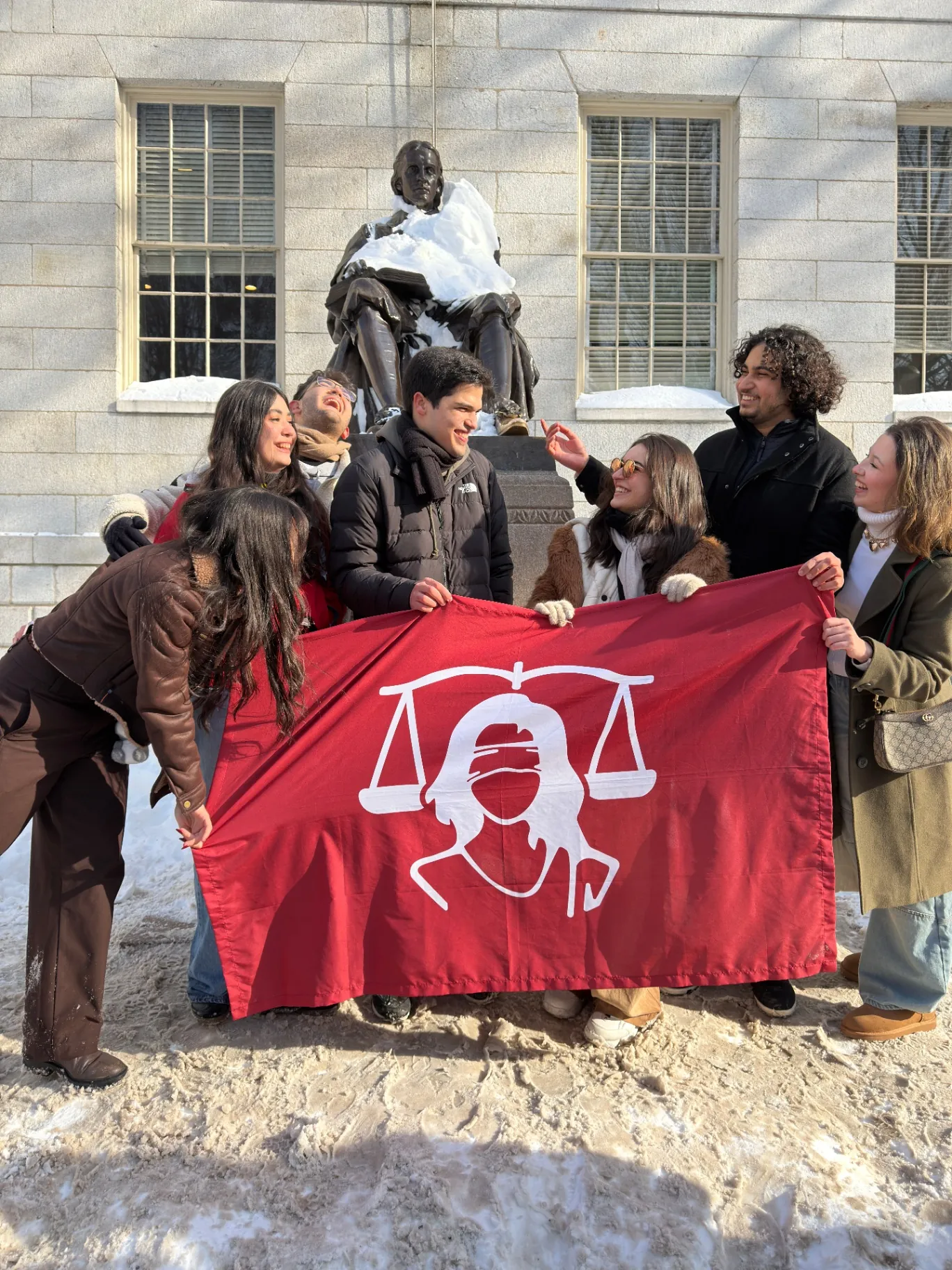
Model United Nations, or MUN, is an academic exercise in which students represent countries, institutions, or political actors in debates inspired by real international challenges. Delegates step into the role of nations, defend interests, deliver speeches, negotiate with others, draft resolutions, and discover that diplomacy is not only about having ideas, but about building the trust, strategy, and persuasion required to turn them into action.
A living arena of diplomacy.
Inside the committee room, this exercise becomes something far more powerful: a living arena of diplomacy, leadership, and negotiation. Alliances are formed. Speeches redirect the debate. Proposals are challenged, refined, and reshaped through conversation. Every moderated caucus becomes a test of clarity and preparation. Every unmoderated caucus becomes a test of influence, adaptability, and trust.
Politics is not learned. It is lived.
At HMUN Brazil, delegates do not simply learn about international politics. They experience it. Every speech can shift the direction of debate. Every alliance can change the balance of power. Every amendment can redefine the future of a resolution. Ideas only move forward when delegates are able to defend them, improve them, and persuade others to believe in their relevance.
Harvard, hosted in the heart of Brazil.
Hosted in São Paulo, one of Latin America's most dynamic global cities, HMUN Brazil brings the Harvard Model United Nations experience into the heart of Brazil's economic, cultural, and academic landscape. The conference becomes a meeting point for ambitious students from Brazil, Latin America, and beyond, who arrive with different accents, perspectives, and visions of the world, but share the same desire to challenge themselves at the highest level.
Measured against international standards.
Inside committee, delegates are evaluated by Harvard students trained to recognize excellence in research, public speaking, negotiation, collaboration, leadership, and diplomatic strategy. This creates an environment that is rigorous, competitive, and deeply formative. Participants are not simply performing for a local audience. They are engaging with international standards of debate, feedback, and academic excellence.
Connections that outlast the conference.
The experience also extends beyond speeches and resolutions. Between committee sessions, ceremonies, advisor interactions, cultural moments, and informal conversations, participants meet students from different cities, countries, and schools, creating connections that can last far beyond the conference. For many delegates, HMUN Brazil becomes their first truly international academic experience without leaving Latin America.
More than a certificate.
Delegates leave HMUN Brazil with more than a certificate. They leave with sharper arguments, stronger confidence, a deeper understanding of global affairs, and the memory of having been part of a conference that demanded preparation, courage, strategy, and presence.
What delegates do at HMUN Brazil.
- ◆Represent a nation in debates on urgent global issues
- ◆Negotiate, build blocs, form alliances, and transform proposals into resolutions
- ◆Deliver speeches before a rigorous international committee
- ◆Be evaluated by Harvard students according to international standards of debate, leadership, and diplomacy
- ◆Interact with ambitious delegates from Brazil, Latin America, and beyond
- ◆Experience São Paulo as a global stage for youth diplomacy and international exchange
- ◆Develop public speaking, negotiation, critical thinking, research, and strategic leadership skills